Technical problems and solutions
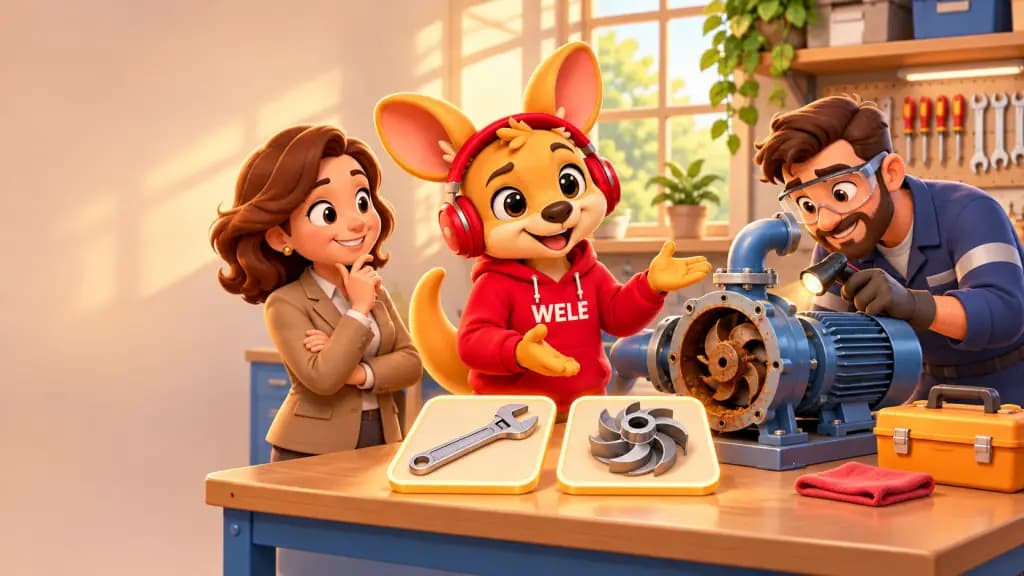
You can describe a breakdown to your manager or a client in polite Japanese, suggest a likely cause without sounding more certain than you are, compare repair options, and recommend one with a rough time estimate.
1h
Explore and enroll in courses to boost your English listening skills.

You can describe a breakdown to your manager or a client in polite Japanese, suggest a likely cause without sounding more certain than you are, compare repair options, and recommend one with a rough time estimate.
1h

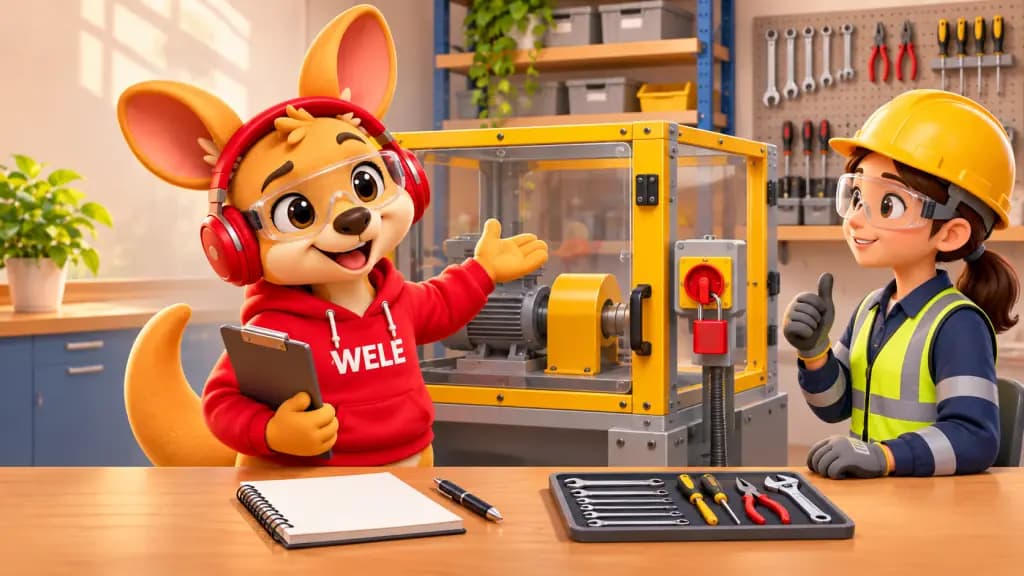
After this topic you can explain a maintenance or safety procedure step by step in polite Japanese, state rules and warn about hazards, and check that a technician has really understood before work starts.
1h

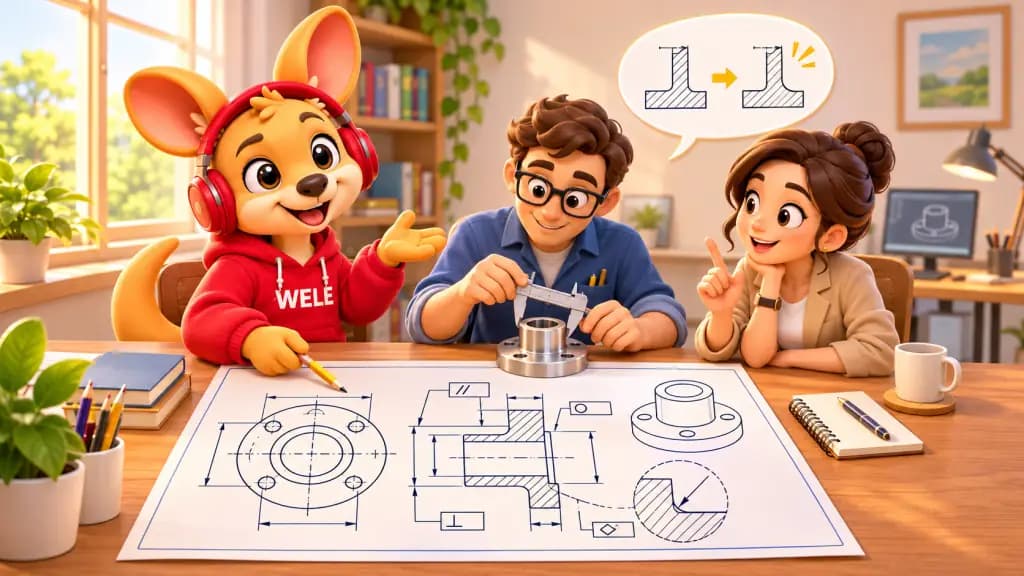
You can read dimensions, tolerances and scales from a drawing aloud in Japanese, check that you have the latest revision, and ask whether a design meets the customer's requirements. You can also suggest a design change politely.
1h

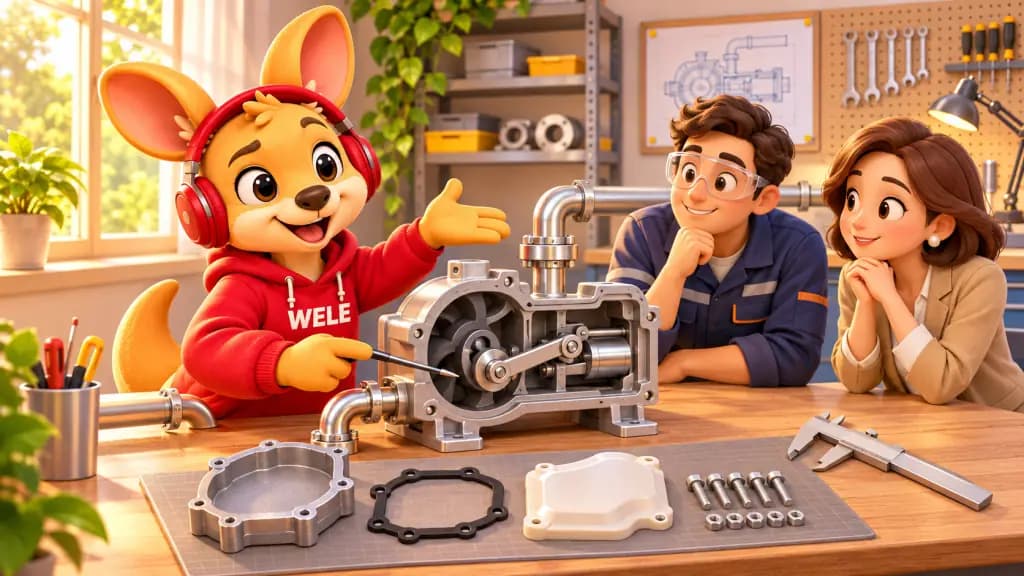
After this topic you can describe a piece of equipment in Japanese: what it is made of, its size and weight, how its parts fit together and how it works. You can also answer a client's or technician's questions about it.
1h

You can ask a Japanese client or colleague what they need, by when and how urgently, confirm the requirements back to them, and write them down clearly in a ticket or specification.
1h

After this topic you can give a short daily update in Japanese at a stand-up: what you did, what you will do, and what is blocking you. You can also agree, disagree politely, and ask what a word or plan means.
1h

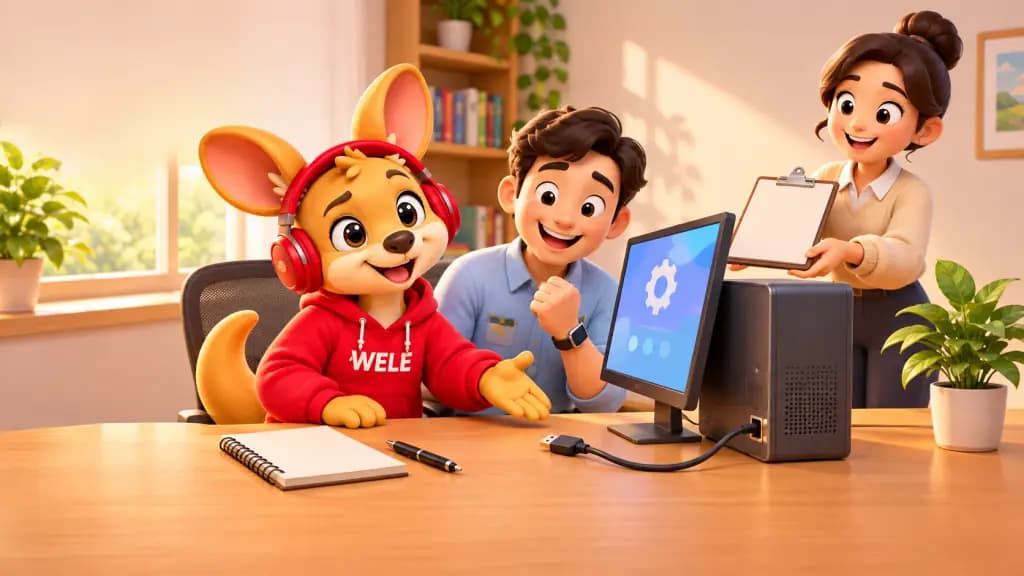
You can diagnose a computer problem with a colleague in polite Japanese: ask what happened, which error appears and what they already tried, then explain the likely cause and escalate the ticket.
1h

You can greet a colleague who needs IT help, find out what they need, and guide them in plain Japanese through simple steps like logging in, resetting a password, clicking and restarting. You can also check that they are following you.
1h

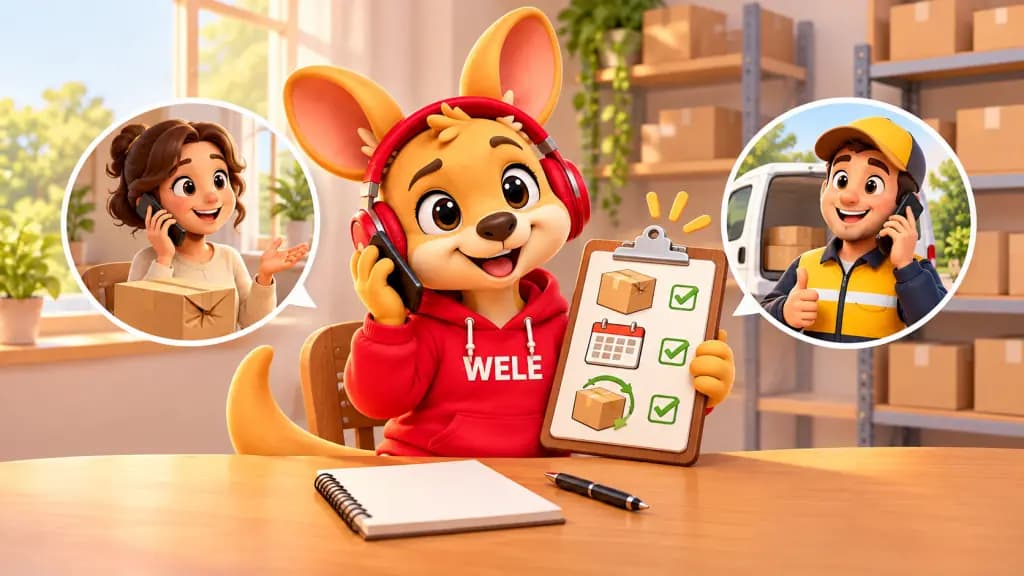
After this topic you can book a pickup with a carrier, ask about freight charges and arrival times, and handle a customer's call about a late or damaged delivery in calm, polite Japanese.
1h

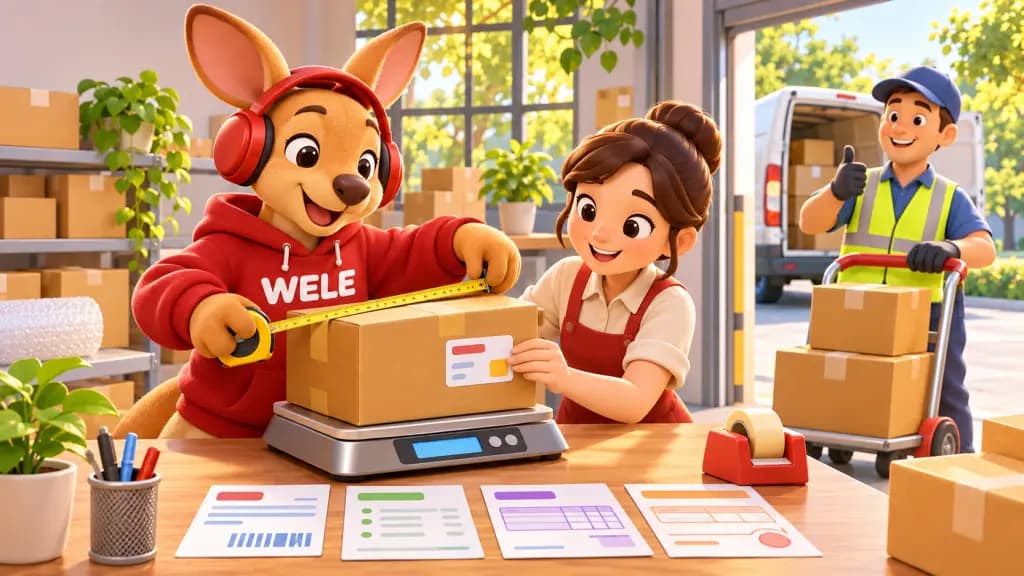
After this topic you can give the number, weight and size of packed boxes, read reference numbers aloud, name the main shipping documents, and politely say when a label and a document do not match.
1h

After this topic you can ask where an aisle or shelf is, repeat back a picking instruction to check it, and tell your leader when stock is short or out of stock. You can also join a stock count and report that the numbers do not match.
1h

You can greet a driver at the dock, ask for the delivery note, count and confirm pallets and cartons, report missing or damaged cartons politely but clearly, and sign or stamp for the goods in Japanese.
1h